
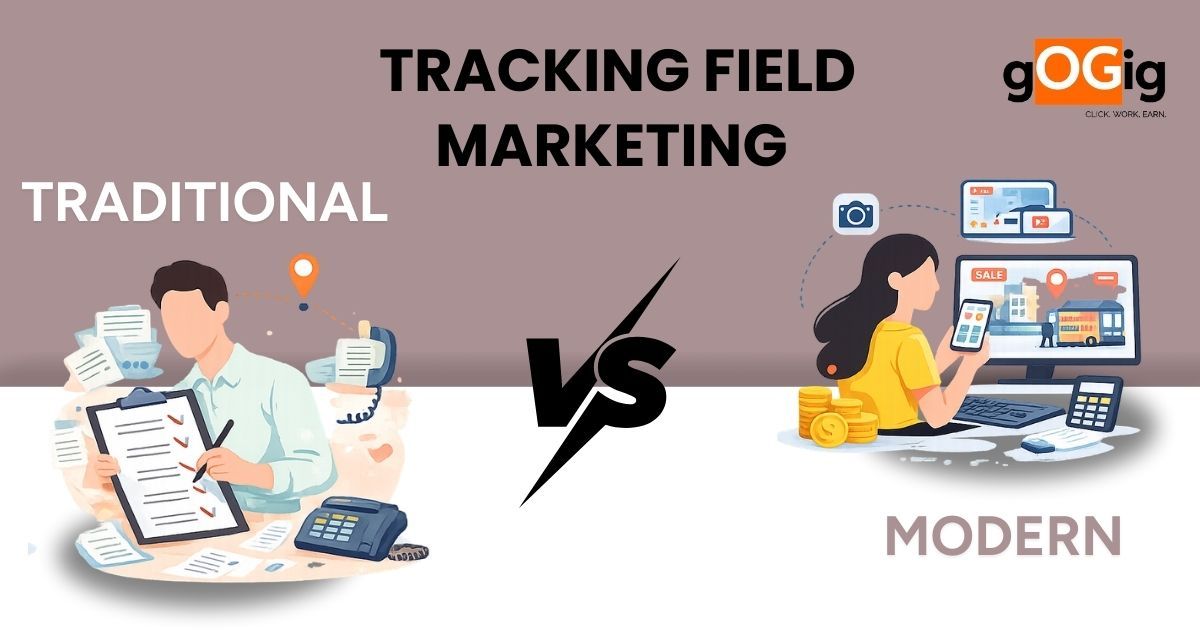
Traditional vs Modern Ways of Tracking Field Marketing
Learn how to track field marketing campaigns using real-time tracking tools, centralized dashboards, and field marketing monitoring software for better visibility and execution control.
A brand launches a field marketing campaign across multiple cities, involving retail branding, transit advertising, and on-ground activations. While these campaigns create strong visibility, marketing teams often face a critical challenge: how to track field marketing campaigns effectively across multiple locations and teams.
In large-scale campaigns, relying on manual updates is no longer sufficient. Brands increasingly adopt field marketing tracking tools, field marketing monitoring software, and systems designed for real-time field marketing tracking to ensure accurate execution and visibility. These solutions help teams track offline marketing campaigns, verify installations, and monitor campaign progress without delays.
As campaigns grow in scale and complexity, using a structured field campaign tracking system becomes essential. Modern tracking methods allow marketing teams to maintain real-time visibility, reduce execution gaps, and manage campaign activities more efficiently compared to traditional approaches.
What Is Field Marketing Tracking
Field marketing refers to promotional activities that take place in physical locations where brands interact directly with their audience. These activities include retail promotions, transit branding, product sampling, and event marketing.
Tracking field marketing means monitoring these activities to confirm that they are executed correctly. Marketing teams need reliable information about campaign progress and installation status.
Tracking helps brands answer important questions during campaigns. Are installations completed at the planned locations? Are field teams following the campaign schedule? Are branding materials visible to the target audience?
To answer these questions, marketing teams rely on tracking systems that collect and organize campaign updates.
Traditional Ways of Tracking Field Marketing
In earlier campaigns, brands relied on manual processes to monitor their field marketing activities. Communication between marketing teams and field teams was the primary source of campaign updates.
Field teams would send updates about installations and promotional activities through phone calls or messages. Marketing managers would then collect this information and compile reports to understand campaign progress.
Some traditional tracking methods included:
- Phone calls with field teams to confirm task completion
- Photo updates shared through messaging platforms
- Email reports sent by vendors or agencies
- Spreadsheets used to track campaign locations
These methods allowed marketing teams to gather information from the field, but they also created challenges when campaigns became larger.
Limitations of Traditional Tracking Methods
Traditional monitoring approaches worked for smaller campaigns, but they often became inefficient when campaigns expanded across multiple locations.
One limitation involved scattered information. Campaign updates arrived through different communication channels, making it difficult to maintain a clear overview of campaign progress.
Another limitation involved delayed reporting. Field teams might send updates after completing installations, which meant marketing managers could not monitor campaign progress in real time.
Documentation management also became challenging. Large campaigns generated many images and reports, which had to be reviewed and stored manually.
These limitations made it difficult for marketing teams to maintain clear visibility across campaign activities.
Emergence of Modern Tracking Systems
As field marketing campaigns became more complex, organizations started adopting modern tracking systems. These systems help collect campaign updates in a structured and organized manner.
Modern tracking systems provide a centralized platform where campaign information can be stored and reviewed. Field teams can submit updates about installations, and marketing managers can monitor campaign progress through dashboards.
This shift from manual communication to structured monitoring has improved the efficiency of field marketing campaigns.
Modern tracking methods help organizations manage large campaigns with better clarity and control.
Features of Modern Field Marketing Tracking
Modern tracking systems provide several features that help marketing teams monitor campaigns more effectively.
Some important features include:
- centralized dashboards showing campaign progress
- organized documentation of installations and reports
- location records for each campaign activity
- structured monitoring of campaign tasks
These features help marketing teams maintain better visibility across locations and ensure that campaign activities follow the planned schedule.
Key Differences Between Traditional and Modern Tracking
Understanding the differences between traditional and modern tracking methods helps organizations choose more efficient approaches for managing campaigns.
Traditional tracking methods rely heavily on manual communication and scattered documentation. Marketing managers often collect information through phone calls, messages, and spreadsheets.
Modern tracking systems focus on structured monitoring and centralized documentation. Campaign updates are collected through organized platforms, which makes it easier to review campaign progress.
Traditional methods provide limited visibility during campaign execution. Modern systems provide clearer insights into campaign activities across locations.
These differences highlight how tracking methods have evolved alongside the growing complexity of field marketing campaigns.
Importance of Real Time Visibility in Field Marketing
Real time visibility has become an important aspect of modern campaign tracking. Marketing teams need to understand what is happening across locations while the campaign is running.
Real time monitoring helps campaign managers identify issues early and respond quickly. If an installation is delayed or a location is missed, marketing teams can address the situation before it affects campaign performance.
Real time visibility also improves coordination between marketing managers and field teams. Teams can review campaign updates and ensure that activities follow the campaign plan.
This level of visibility is difficult to achieve through traditional monitoring methods.
Benefits of Modern Field Marketing Tracking
Modern monitoring systems provide several advantages for organizations managing field marketing campaigns.
Some important benefits include:
- better visibility into campaign activities
- organized documentation of installations and reports
- improved coordination between teams
- faster access to campaign updates
These advantages help marketing teams manage campaigns more efficiently and maintain better control over marketing activities.
Best Practices for Tracking Field Marketing Campaigns
Successful field marketing campaigns rely on structured monitoring practices. Marketing teams often follow certain practices to maintain transparency during campaign execution.
Some useful practices include:
- defining clear tasks and installation locations
- maintaining consistent reporting formats
- collecting reliable documentation from field teams
- storing campaign records in centralized systems
- reviewing campaign progress regularly
Following these practices helps ensure that field marketing campaigns remain organized and easy to manage.
Frequently Asked Questions (FAQ’s)
1. How do you track field marketing campaigns?
Field marketing campaigns are tracked using field reports, geo-tagged images, and field marketing tracking tools that provide real-time updates and centralized monitoring.
2. What are the best tools for field marketing tracking?
Brands use field marketing tracking tools and monitoring software such as gOGig to manage campaign execution, collect proof of work, and track performance across locations.
3. What is real-time field marketing tracking?
Real-time field marketing tracking allows marketing teams to monitor campaign activities as they happen, improving visibility and enabling faster decision-making.
4. What is the difference between traditional and modern field marketing tracking?
Traditional tracking relies on manual updates and scattered communication, while modern tracking uses centralized systems, real-time updates, and structured documentation.
Tracking field marketing activities is essential for maintaining visibility and control during marketing campaigns. As campaigns expand across cities and involve multiple teams, monitoring becomes increasingly important.
Traditional tracking methods provided basic communication between marketing managers and field teams, but they often lacked structure and real time visibility. Modern tracking systems have improved campaign management by organizing updates, documentation, and campaign records in centralized platforms.
By adopting structured tracking methods, organizations can improve transparency, maintain better coordination between teams, and ensure that marketing activities are executed according to the campaign plan.
How gOGig Helps You Track Field Marketing Campaigns
Managing field marketing campaigns across several locations can become difficult when updates arrive from different teams. gOGig helps simplify this process by converting field marketing activities into trackable tasks. Field teams can submit updates along with location details, time records, and image proof directly from the field. This allows you to monitor campaign execution through a centralized dashboard and understand which tasks are completed and which locations still require attention. With structured monitoring and organized documentation, gOGig helps you maintain clear visibility and better control over your field marketing campaigns.