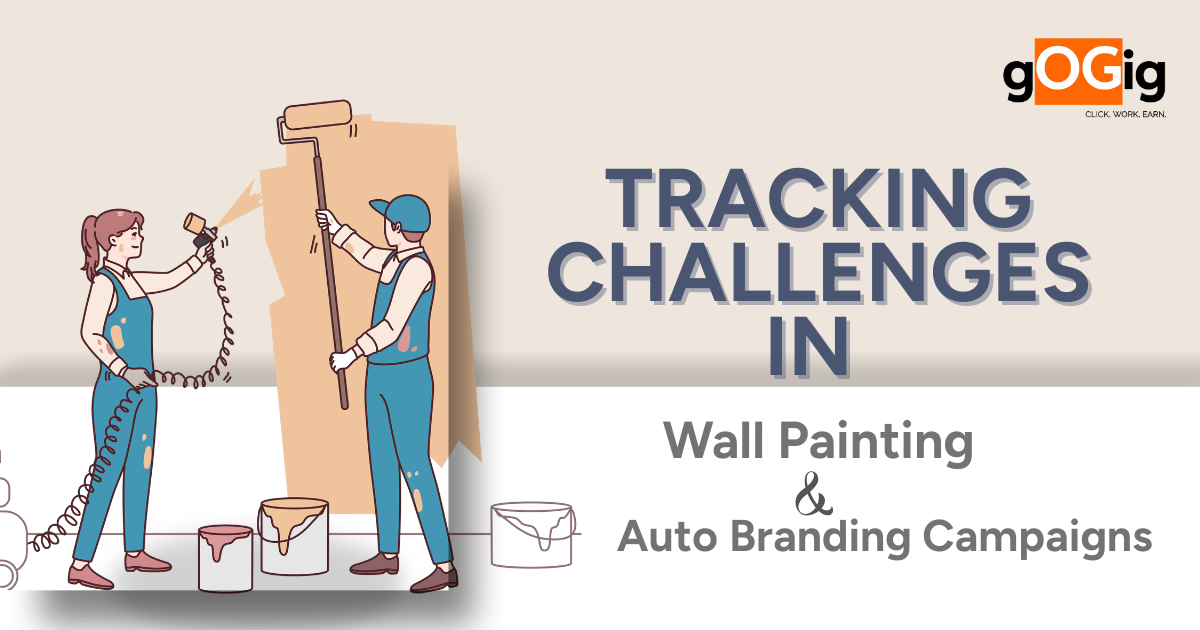
Common Tracking Challenges in Wall Painting and Auto Branding Campaigns
Track wall painting and auto branding campaigns with structured monitoring and execution visibility
Wall painting and auto branding campaigns create strong visibility in public spaces where people travel, shop, and move through cities every day. However, as these campaigns scale across multiple locations, marketing teams often face a critical question: how to track wall painting campaigns and ensure consistent execution across different areas.
Managing these campaigns requires more than just installation. Brands increasingly rely on auto branding campaign tracking, wall painting advertising tracking tools, and systems designed to track mobile advertising campaigns in real time. These solutions help marketing teams verify installations, monitor campaign progress, and ensure that branding appears correctly across locations.
As campaigns expand across neighbourhoods and cities, adopting structured outdoor campaign tracking methods and field marketing tracking for local campaigns becomes essential. These systems improve visibility, reduce execution gaps, and help marketing teams maintain better control over campaign activities.
How Wall Painting and Auto Branding Campaigns Work
Wall painting campaigns involve painting brand messages or promotional artwork on building walls in selected areas. These paintings remain visible to pedestrians and commuters who pass through those locations.
Auto branding campaigns involve placing advertisements on vehicles such as auto rickshaws. These vehicles move through different neighbourhoods and markets during the day, creating mobile brand visibility.
Both formats rely on physical execution by field teams. Each wall painting or vehicle branding installation requires preparation, design placement, and documentation.
Some typical campaign activities include:
- identifying locations suitable for wall painting installations
- applying branding artwork on building walls
- installing branding materials on autos
- documenting installations across campaign locations
Since these activities take place across different areas, organized tracking helps marketing teams confirm that campaign execution remains consistent.
Why Tracking Matters in These Campaigns
Tracking plays an important role in wall painting and auto branding campaigns. Marketing teams require clear documentation of installations to confirm that campaign activities follow the planned strategy.
Tracking helps marketing teams maintain visibility into campaign execution. Campaign managers review installations and confirm that branding placements appear in approved locations.
Tracking also supports organized documentation of campaign activities. Images, location details, and records of installations help maintain reliable campaign records. Structured monitoring strengthens coordination between marketing teams, agencies, and field teams.
Tracking Challenges in Wall Painting Campaigns
Wall painting campaigns involve multiple locations spread across different neighbourhoods. Each installation requires accurate placement and proper documentation. Several challenges appear during campaign monitoring.
One challenge involves location verification. Wall paintings appear on building surfaces across different streets and areas. Marketing teams need accurate information about where each painting appears.
Another challenge involves documentation management. Campaigns involving dozens of wall paintings generate large numbers of images and records that must be organized carefully.
Weather conditions and environmental factors also influence installation timelines. Field teams must coordinate painting schedules while maintaining campaign deadlines.
These factors make structured monitoring essential for maintaining visibility across campaign locations.
Tracking Challenges in Auto Branding Campaigns
Auto branding campaigns involve moving vehicles rather than fixed installations. Autos travel across different areas during the day, which creates mobile advertising exposure.
Tracking these campaigns presents several operational challenges.
One challenge involves confirming vehicle coverage across campaign areas. Marketing teams need clear information about which routes branded vehicles travel.
Another challenge involves monitoring branding quality. Vehicle branding materials must remain visible and properly installed during the campaign period.
Documentation also becomes important. Marketing teams require records showing which vehicles carry branding and where they operate.
Organized monitoring helps maintain clarity in campaigns that involve several vehicles operating across different locations.
Traditional Methods Used to Track These Campaigns
Earlier wall painting and auto branding campaigns relied on manual tracking methods. Field teams shared updates about installations through phone calls and messages.
Campaign managers collected these updates and organized them into reports.
Traditional tracking methods included:
- photo updates shared through messaging platforms
- phone calls between field teams and campaign managers
- email reports submitted after installations
- spreadsheets used to record campaign locations
These methods helped gather campaign information, although documentation often appeared across different communication channels.
Campaign managers spent significant time reviewing images and reports from multiple sources.
Limitations of Manual Monitoring
Manual monitoring methods create several operational difficulties during large campaigns.
Campaign updates arrive from different communication channels. This scattered information makes it difficult to maintain a clear overview of campaign activities.
Documentation management also becomes challenging when campaigns involve several installations across multiple areas.
Campaign managers review large numbers of images and reports during campaign monitoring. Organizing these records requires careful attention.
These limitations highlight the importance of structured monitoring systems.
Organized Systems for Tracking Campaign Execution
Modern campaign monitoring systems provide organized methods for tracking wall painting and auto branding activities.
Structured systems collect updates from field teams and store them in centralized platforms. Marketing teams review campaign documentation through organized dashboards.
These systems support campaign monitoring through several features.
- organized documentation of installation images
- location records for campaign sites
- centralized access to campaign updates
- clear records of campaign activities
Structured monitoring helps marketing teams maintain visibility across campaign locations and review installations more efficiently.
Importance of Documentation in These Campaigns
Documentation remains essential for maintaining transparency in wall painting and auto branding campaigns. Each installation requires visual records and location information.
Campaign documentation helps marketing teams confirm that branding placements appear in approved locations and follow campaign guidelines.
Documentation also supports campaign reporting and evaluation. Organized records help brands review campaign coverage and understand the scale of their marketing activities.
Maintaining reliable documentation strengthens transparency and accountability during campaign execution.
Ways to Track Wall Painting and Auto Branding Campaigns
Successful campaign monitoring requires organized processes and consistent documentation methods. Marketing teams usually follow several practices to maintain clarity during campaign execution.
Important practices include:
- capturing clear images of branding placements
- recording location details for every installation
- maintaining organized records of campaign activities
- reviewing campaign updates regularly
These practices help ensure that marketing teams maintain visibility into campaign execution across locations.
Frequently Asked Questions (FAQ’s)
1. How do you track wall painting campaigns?
Wall painting campaigns are tracked using location records, image documentation, and wall painting advertising tracking tools that help verify installations.
2. How do brands track auto branding campaigns?
Auto branding campaigns are tracked through vehicle monitoring, route tracking, image proof, and auto branding campaign tracking tools for better visibility.
3. What are the challenges in tracking mobile advertising campaigns?
Challenges include verifying locations, tracking moving vehicles, managing documentation, and maintaining real-time visibility across multiple areas.
4. What tools are used for outdoor campaign tracking?
Brands use outdoor campaign tracking tools and field marketing tracking systems to monitor execution, collect proof, and manage campaign data.
Wall painting and auto branding campaigns provide strong visibility for brands in local markets. These advertising formats reach audiences in neighbourhoods, streets, and traffic routes where people travel every day.
Managing these campaigns across multiple locations requires organized monitoring systems. Tracking helps marketing teams confirm that installations follow campaign plans and appear in the intended locations.
Clear documentation and structured monitoring improve visibility across campaign activities and help marketing teams maintain reliable records of installations.
As these campaigns expand across cities and neighbourhoods, organized tracking systems support better campaign management and transparency.
How gOGig Helps You Track Wall Painting and Auto Branding Campaigns
Tracking wall painting and auto branding campaigns becomes easier when campaign activities are organized in a structured system. gOGig helps convert campaign tasks into trackable activities that appear in a centralized dashboard. Field teams submit updates along with location details, time records, and visual proof of installations from the field. Marketing teams review campaign progress across locations and confirm that branding placements appear in approved areas. Organized documentation and structured monitoring help maintain clear visibility across campaign activities.